I am not sure how to process what’s happening right now.
On the one hand, NASA is in the midst of the first human mission to the Moon since 1972. I have friends and colleagues who are in mission control, and others who will be there for future missions. My social media feed is filled with the unofficial mission catchphrases of the “full Moon joy” and “Amaze, amaze, amaze” along with jaw-dropping photos of the Moon and the Earth in the distance.
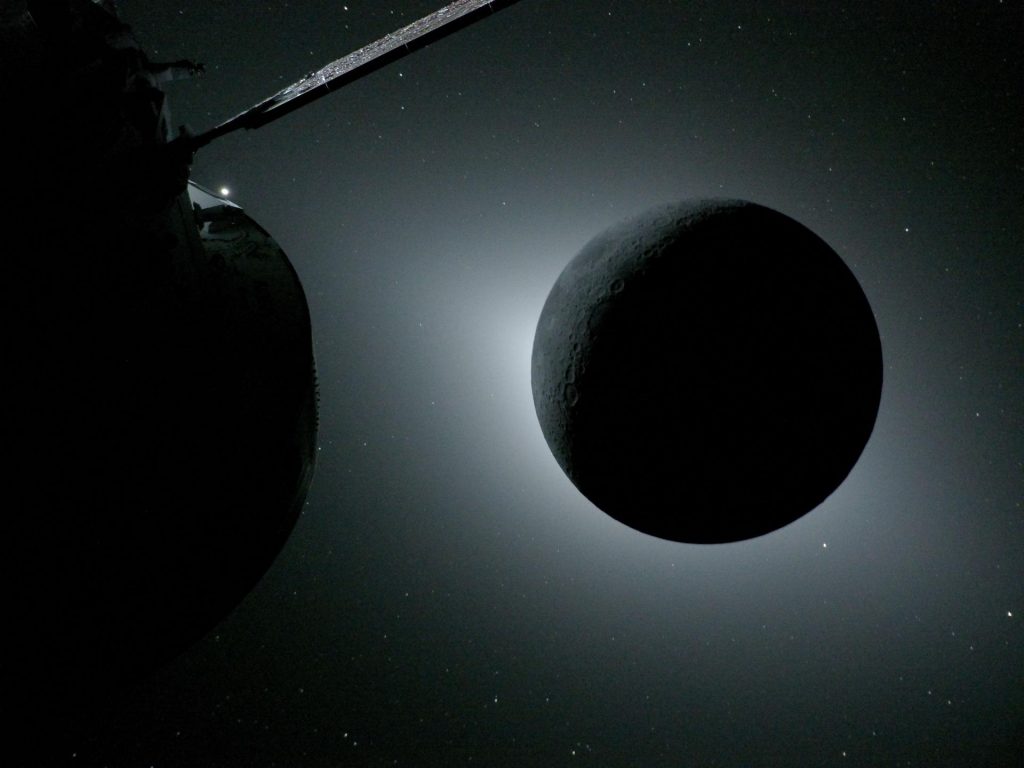
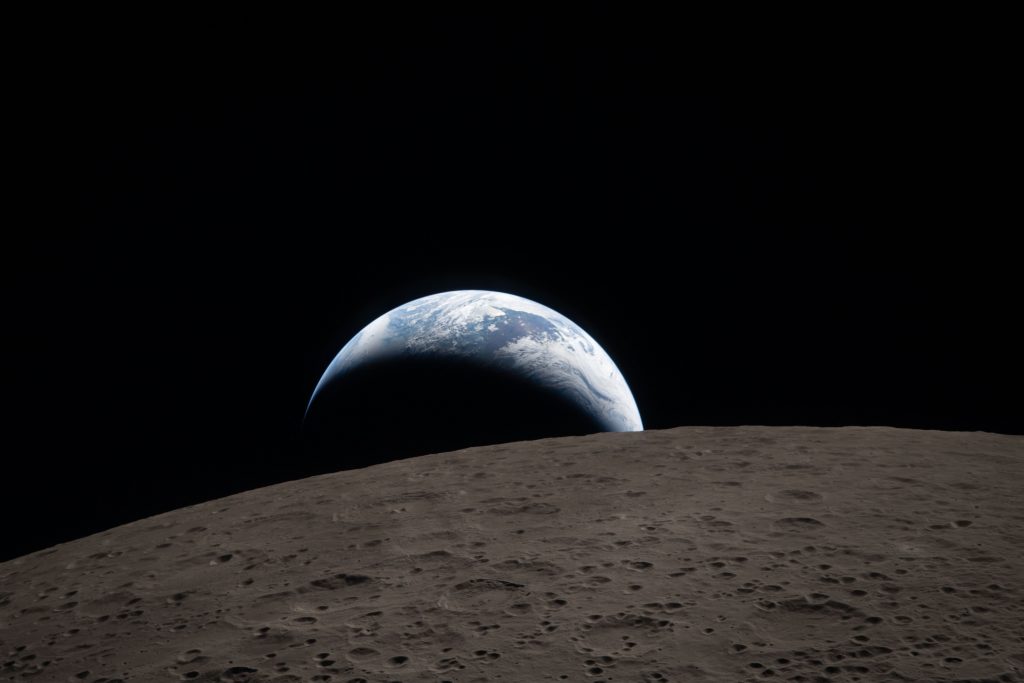
And the astronauts, looking down on Earth from the distance of the Moon, are echoing the sentiments of every astronaut that has come before and had this unique perspective:
You are special, in all this emptiness.
This is a whole bunch of nothing, this thing we call the universe.
You have this oasis, this beautiful place that we get to exist together. […] This is an opportunity for us to remember where we are, who we are, and that we are the same thing and that we’ve got to get through this together.– Victor Glover, Artemis II pilot
And somehow, at the same time, this is happening:

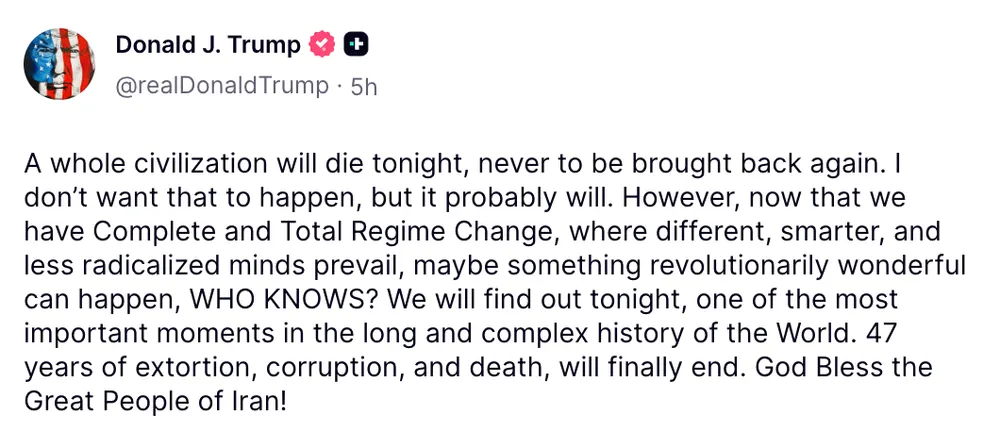
It makes me feel ill to even paste those images into the same post as the beautiful images and sentiments from Artemis. The president of the United States has backed himself into a corner by attacking Iran with no plan at all and no understanding of the consequences. He is pathologically unable to admit fault or back down, has never in his life faced consequences for his horrific actions, and is the puppet of the more competent authoritarians that he admires, so the United States seems to be on track to do something truly horrible tonight. Whether that means nuclear weapons or “just” war crimes using more traditional weapons remains to me seen.
It is breaking me to see these two sides of America in such stark contrast. Space exploration like Artemis II is the product of the good aspects of America’s power. Great wealth, technological prowess, massive amounts of teamwork, working closely with allied countries, to achieve something that is unequivocally peaceful and positive for humanity. Call it the “full Moon joy” future.
On the other hand Trump (and the Republican party that aids, abets, and protects him) is what you would get if you managed to somehow take our long history of white supremacy, capitalist greed, political corruption, misogyny, breathtaking arrogance, and ignorance and assemble them together into a shambling avatar of the worst aspects of the country.
Until 2016, I naively thought that we were basically on track for a “full Moon joy” future where the positive aspects of our nature win out. The election of Obama seemed like the first step toward a better future, and although Republicans did their best to block him, it seemed impossible that the American people would elect Trump in his place. I gravely underestimated how awful a large fraction of the people in this country are. Rather than condemning him for personifying the worst parts of our country, they celebrated it or were indifferent to it. Even after his disastrous first term full of rampant corruption and a botched COVID response that cost countless lives, even after he incited an insurrection to try to hold on to power, the awful people of this country, given the choice between Trump and a highly qualified woman of color, chose Trump again.
And so instead of Artemis II seeming like the beginning of an optimistic “full Moon joy” future, it instead feels out of place in our apocalyptic present. Somehow a relic of a lost past even before the mission is over.
The world should be watching with rapt attention as NASA sends humans to the Moon and brings them back on a peaceful mission of cooperation and science. Instead, we are holding our collective breath to see what atrocities tomorrow will bring.